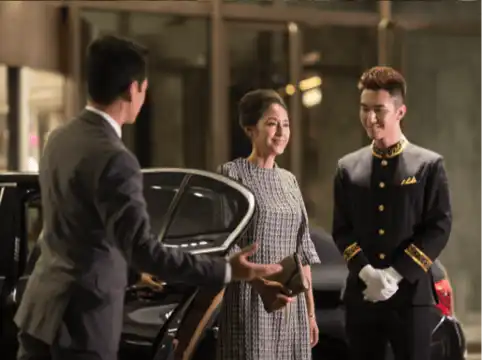
โรงแรมบริการรถรับส่งในผิงเหยา
เลือกวันที่เข้าพักเพื่อค้นหาโรงแรมที่มีบริการรถรับส่งในผิงเหยา
ปัดลงเพื่อดูเพิ่มเติม
กรองตาม
การจัดอันดับเพชรของโรงแรม
≤2345
คะแนนจากผู้เข้าพัก
ยอดเยี่ยม 9+ดีมาก 8+ดี 7+พอใจ 6+โรงแรม ผิงเหยา ยอดนิยมพร้อมบริการรถรับส่งสนามบิน
ค้นหาโรงแรมที่มีบริการรถรับส่งในผิงเหยาตามใจปรารถนา
ยอดนิยม
ราคาถูกสุด
ใกล้ตัวเมืองที่สุด
ได้คะแนนรีวิวสูง
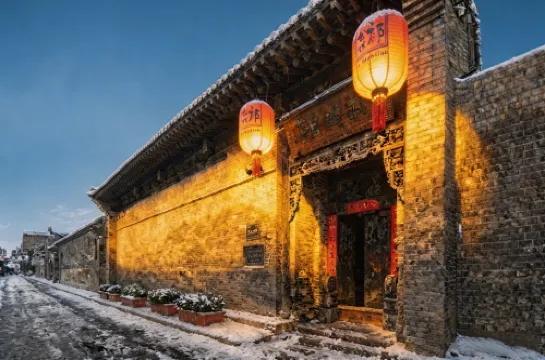
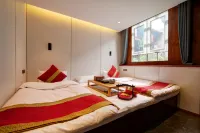
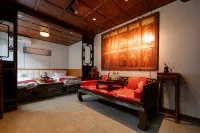
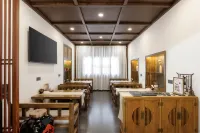
99+
祁公馆(平遥店)
โรงแรมใกล้inside Pingyao old city,ผิงเหยา
สิ่งอำนวยความสะดวกที่มีลักษณะพิเศษ: บริการรับที่สนามบิน
ดีเลิศ
1141 รีวิว
9.7/10
1 คืน
เริ่มต้น AED 178



91
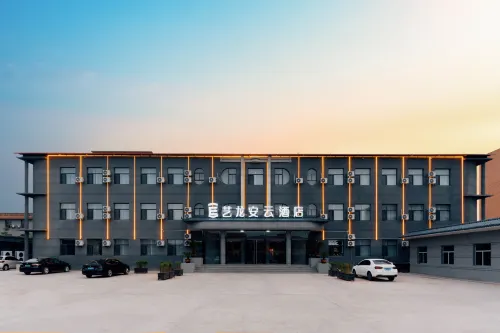
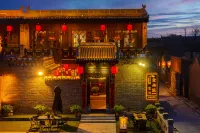
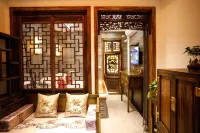
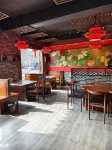
Elong Anyun Hotel (Pingyao Ancient City)
โรงแรมใกล้outside Pingyao old city,ผิงเหยา
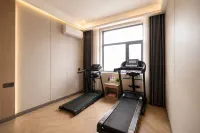
สิ่งอำนวยความสะดวกที่มีลักษณะพิเศษ: บริการรับที่สนามบิน, ฟิตเนส
439 รีวิว
8.2/10
1 คืน
เริ่มต้น AED 64



95
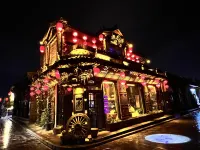
爱尚旅客社(平遥古城景区店)
โรงแรมใกล้inside Pingyao old city,ผิงเหยา
สิ่งอำนวยความสะดวกที่มีลักษณะพิเศษ: บริการรับที่สนามบิน
สมบูรณ์แบบ
934 รีวิว
9.8/10
1 คืน
เริ่มต้น AED 117
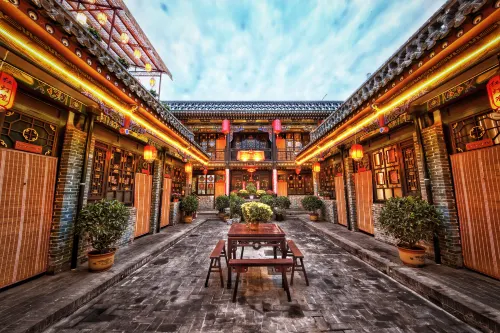

50
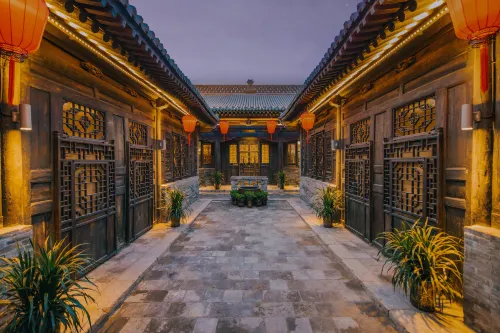
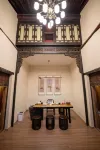
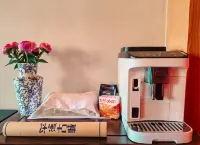
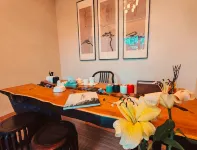
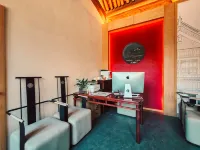
红灯笼·文化主题客栈
โรงแรมใกล้inside Pingyao old city,ผิงเหยา
สิ่งอำนวยความสะดวกที่มีลักษณะพิเศษ: บริการรับที่สนามบิน
ดีมาก
568 รีวิว
9.3/10
1 คืน
เริ่มต้น AED 81

99+
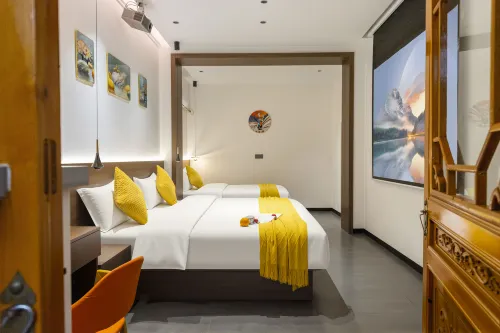
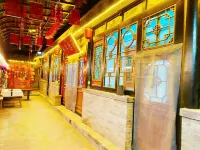
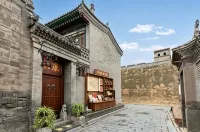
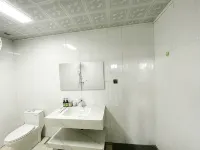
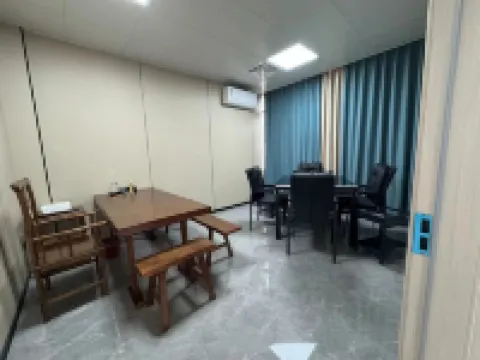
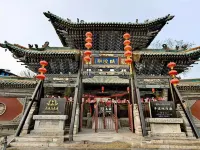
平遥大隐客栈
โรงแรมใกล้inside Pingyao old city,ผิงเหยา
สิ่งอำนวยความสะดวกที่มีลักษณะพิเศษ: บริการรับที่สนามบิน
ดีเลิศ
347 รีวิว
9.7/10
1 คืน
เริ่มต้น AED 126
99+
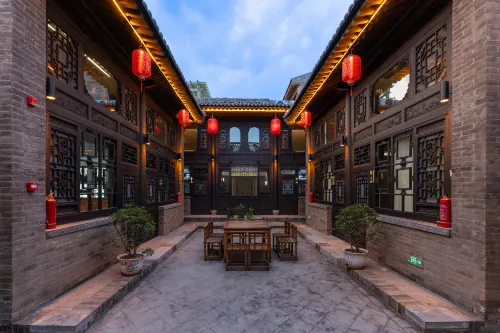
平遥清雅缘·Quiet Grace·古城休闲度假美宿(又见平遥剧场店)
โรงแรมใกล้inside Pingyao old city,ผิงเหยา
สิ่งอำนวยความสะดวกที่มีลักษณะพิเศษ: บริการรับที่สนามบิน
ดีเลิศ
149 รีวิว
9.6/10
1 คืน
เริ่มต้น AED 59


96
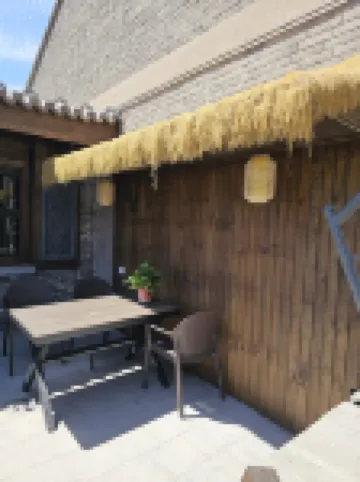
平遥贤宅聚公馆
โรงแรมใกล้inside Pingyao old city,ผิงเหยา
สิ่งอำนวยความสะดวกที่มีลักษณะพิเศษ: บริการรับที่สนามบิน
ยอดเยี่ยม
246 รีวิว
9.5/10
1 คืน
เริ่มต้น AED 97
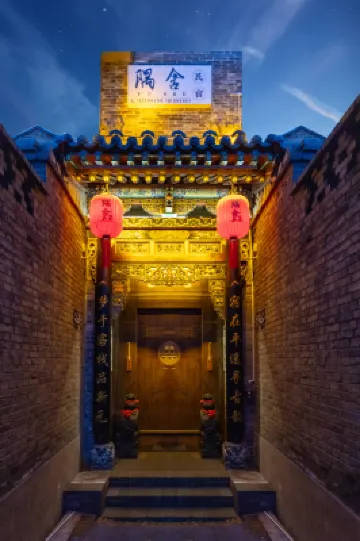

99+
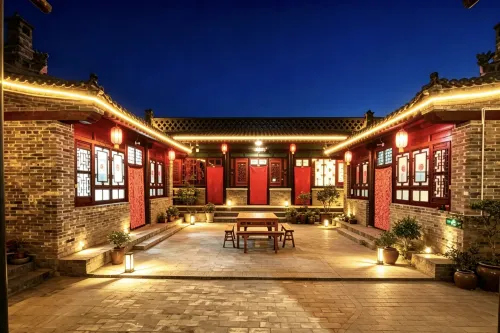
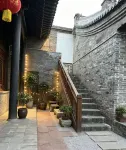
隅舍·隐世禅意美宿(平遥古城迎薰门店)
โรงแรมใกล้inside Pingyao old city,ผิงเหยา
สิ่งอำนวยความสะดวกที่มีลักษณะพิเศษ: บริการรับที่สนามบิน
สมบูรณ์แบบ
435 รีวิว
9.8/10
1 คืน
เริ่มต้น AED 107
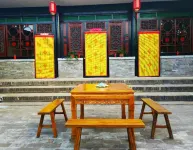
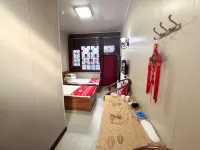
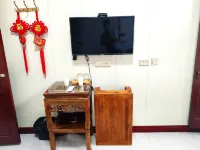
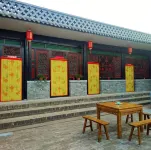
44
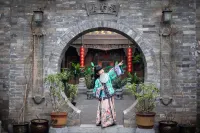
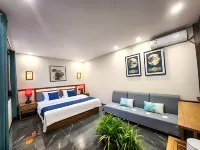
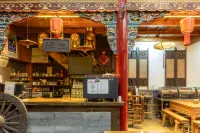
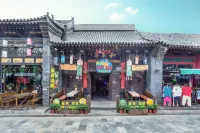
平遥范家老院客栈(平遥古城县衙博物馆店)
โรงแรมใกล้inside Pingyao old city,ผิงเหยา
สิ่งอำนวยความสะดวกที่มีลักษณะพิเศษ: บริการรับที่สนามบิน
ยอดเยี่ยม
266 รีวิว
9.5/10
1 คืน
เริ่มต้น AED 135
99+
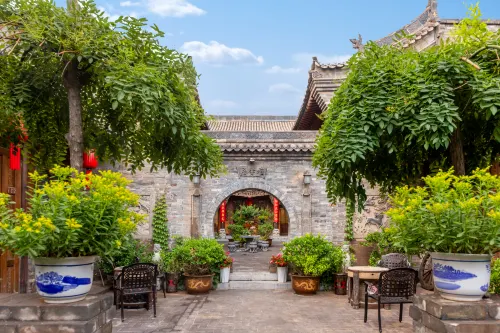
玉槐阁·八百年古槐香居·明清晋商三进传承大院民宿
โรงแรมใกล้inside Pingyao old city,ผิงเหยา
สิ่งอำนวยความสะดวกที่มีลักษณะพิเศษ: บริการรับที่สนามบิน, ห้องรับรองเอ็กเซ็กคิวทีฟ
ยอดเยี่ยม
699 รีวิว
9.5/10
1 คืน
เริ่มต้น AED 69
คำถามที่พบบ่อย
ราคาห้องพักรายวันของโรงแรมในช่วงวันธรรมดาที่ผิงเหยา คือเท่าไร?
จากข้อมูล 12 เดือนล่าสุดของ Trip.com ราคาเฉลี่ยในวันธรรมดาสำหรับโรงแรม 3 ดาวในผิงเหยา อยู่ที่AED 273/ต่อคืน ส่วนโรงแรมสี่ดาวมีราคาประมาณ AED 399/ต่อคืน สำหรับการเข้าพักที่หรูหราขึ้น โรงแรมห้าดาวในผิงเหยา มักมีราคาประมาณ AED 1,164/ต่อคืนในวันธรรมดา
มีลิสต์ที่พักที่เงียบสงบในผิงเหยา เหมาะไปพักผ่อนสุดสัปดาห์ไหม?
ที่พักที่ดีที่สุดบางแห่งในผิงเหยา ตั้งอยู่ใกล้กับสถานที่ท่องเที่ยวยอดนิยม เช่น เมืองโบราณผิงเหยา พิงเหยาเขตโบราณ และ ตั๋วญี่ปุ่น ซึ่งช่วยให้เข้าถึงสถานที่ท่องเที่ยวหลักและสิ่งอำนวยความสะดวกต่างๆ ได้อย่างง่ายดาย
อยากได้ลิสต์ที่พักผิงเหยาที่อยู่ใกล้เมืองโบราณผิงเหยามากๆ มีที่ไหนน่าสนใจบ้าง?
โรงแรมชั้นนำบางแห่งในผิงเหยาใกล้เมืองโบราณผิงเหยา ได้แก่ Jinxuan Hotel (เริ่มต้น AED 152), Qiwu • Phoenix Perch • Chinese Elegant Courtyard Boutique Stay (Pingyao Ancient City Scenic Area) (เริ่มต้น AED 166) และ โรงแรมเอลส์แวร์-เหล่ยฟู (เริ่มต้น AED 103) ซึ่งทั้งหมดสามารถเข้าถึงเมืองโบราณผิงเหยาได้อย่างง่ายดาย จึงเหมาะอย่างยิ่งสำหรับผู้มาเยือนที่ต้องการสำรวจพื้นที่
ช่วยจัดตัวเลือกโรงแรมที่มีสปาในผิงเหยา เน้นแบบชิลๆ ได้ไหม?
รู้สึกเหนื่อยจากการเดินทางใช่ไหม? Juxiange Inn(in Pingyao Ancient City scenic spot) (เริ่มต้น AED 37), RED Lantern Hall (เริ่มต้น AED 247) และ Elsewhere Xianya Hotel (เริ่มต้น AED 70) มีบริการสปาชั้นเยี่ยม
ช่วยจัดตัวเลือกโรงแรมที่มีบริการรับส่งสนามบินในผิงเหยา ได้ไหม?
ไม่คุ้นเคยกับผิงเหยาใช่ไหม? Qigongguan Inn (เริ่มต้น AED 209), Xingshengjiu Courtyard Hotel (เริ่มต้น AED 320) และ Pingyao Ancient City Aishang Traveler's Club (เริ่มต้น AED 249) มีบริการรับส่งสนามบิน
โรงแรมไหนบ้างในผิงเหยา ที่มีอาหารเช้าดีเป็นพิเศษ?
RED Lantern Hall (เริ่มต้น AED 247),Elsewhere Xianya Hotel (เริ่มต้น AED 70) และ Qigongguan Inn (เริ่มต้น AED 209) มีบริการอาหารเช้าคุณภาพเยี่ยม เริ่มต้นวันใหม่ของคุณด้วยอาหารเช้าแสนอร่อย!
ไปสำรวจกันต่อ
ประเภทที่พักเพิ่มเติม
โรงแรม 4 ดาว ในผิงเหยาโรงแรมที่มีที่มีบาร์ในผิงเหยาโรงแรม 5 ดาว ในผิงเหยาโรงแรม ธุรกิจ ในผิงเหยา อินน์ในผิงเหยาโรงแรมที่มีบริการรถรับส่งในผิงเหยาโรงแรมที่มีที่มีที่จอดรถในผิงเหยาโรงแรม สัตว์เลี้ยง ในผิงเหยาโรงแรมที่มีที่มีฟิตเนสในผิงเหยาโรงแรม โรแมนติก ในผิงเหยาโรงแรมที่มีที่มีอ่างอาบน้ำในผิงเหยาโรงแรม 3 ดาว ในผิงเหยาโรงแรม สำหรับครอบครัว ในผิงเหยาโรงแรม หรู ในผิงเหยาโรงแรมที่มีพร้อมอาหารเช้าในผิงเหยาโรงแรม 2 ดาว ในผิงเหยาโรงแรม บูติค ในผิงเหยาโฮมสเตย์ในผิงเหยาโรงแรมที่มีพร้อมWifiในผิงเหยาโรงแรมที่มีพร้อมระเบียงในผิงเหยา